How to Safely Hook Up a Portable Generator to Your House
Outage-Prep Essentials

This site runs on Amazon affiliate commissions and advertising — buying through our links costs you nothing extra and helps keep it free for everyone.
Read our mission →There are two safe ways to power your home's existing wiring from a portable generator: a transfer switch (manual or automatic) installed by an electrician, which lets you flip specific circuits over to generator power without ever connecting utility and generator power at the same time; or simply running heavy-duty extension cords directly from the generator to individual appliances, which needs no electrical work at all but only powers what you physically plug in.
What's not safe: never connect a generator to your home's electrical system by plugging it into a wall outlet (sometimes called 'backfeeding'). This can send power backward through your home's wiring and out into the utility grid, which can seriously injure or kill line workers who reasonably assume the grid is dead during an outage — it's illegal in most jurisdictions for exactly this reason, not just a technicality.
A transfer switch is worth the electrician's cost if you want to power your furnace blower, well pump, or central circuits without running cords through windows or doors — it's also the only code-compliant way to connect a generator to a home's existing wiring in most areas. See our transfer switch category for what a compatible switch and generator inlet setup looks like.
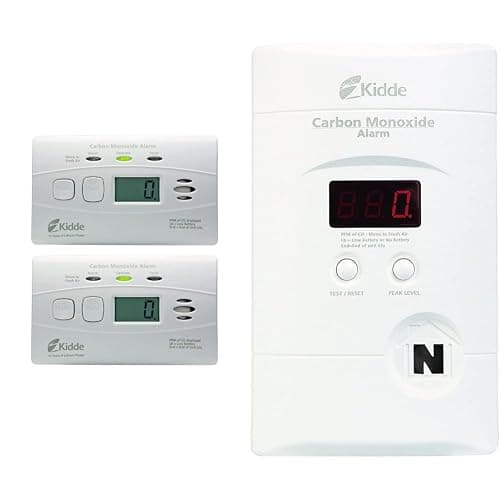
Always run a portable generator outdoors, well away from windows, doors, and vents, regardless of which hookup method you use — carbon monoxide from the engine is a serious risk indoors or even in an attached garage with the door open. See our CO detector category if you don't already have a battery-backed one.
Relevant picks
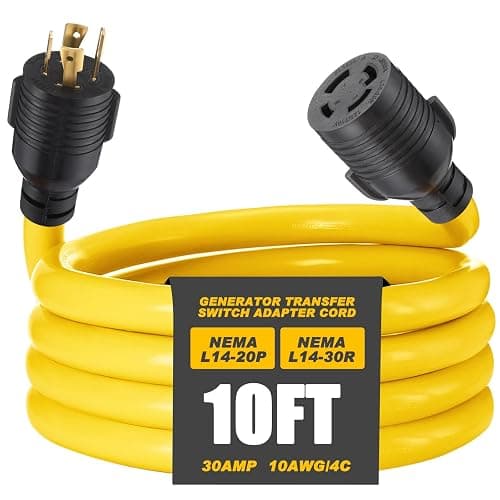
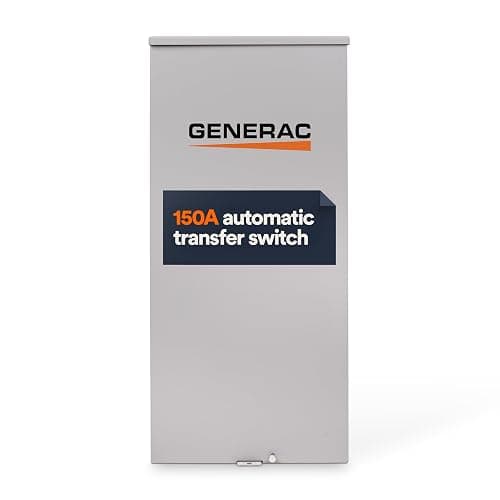
Generac 150-Amp Automatic Generator Transfer Switch, Open Transition, Service Rated, Outdoor Enclosure
This site runs on Amazon affiliate commissions and advertising — buying through our links costs you nothing extra and helps keep it free for everyone.
Read our mission →