North Carolina Power Outage Season
When outages happen most in North Carolina, and what to expect.
July is historically North Carolina's busiest month for recorded power outages, part of a summer season (June–August) that accounts for about 33% of all recorded outages statewide, averaging 3.0 hours per event. 14 of North Carolina's 100 tracked counties currently carry a Reliability Grade of F.

Your support helps keep this site running at zero extra cost to you! As an Amazon Associate, we earn from qualifying purchases.
North Carolina outages by month
Total recorded events and average duration per event, summed across every tracked county in North Carolina.
Peak season insight
North Carolina's outage season runs June–August, accounting for 33% of all recorded outages. July has the highest frequency.
Month-by-month data table
| Month | Events | Avg duration |
|---|---|---|
| January | 8,279 | 3.1 hrs |
| February | 7,253 | 3.2 hrs |
| March | 7,801 | 2.3 hrs |
| April | 9,538 | 2.7 hrs |
| May | 11,720 | 2.5 hrs |
| June | 12,548 | 2.6 hrs |
| July | 14,357 | 2.5 hrs |
| August | 12,423 | 2.9 hrs |
| September | 10,431 | 4.9 hrs |
| October | 8,797 | 4.7 hrs |
| November | 7,928 | 2.3 hrs |
| December | 8,745 | 3.1 hrs |
This month in North Carolina
October has historically recorded 8,797 outage events across North Carolina, below the state's typical monthly average. Outages that start in October have averaged 4.7 hours.
Main causes by season
Named storms behind North Carolina's worst recorded outages, from the NOAA Storm Events Database.
Winter (December–February)
- Winter Storm
- Extreme Cold/Wind Chill
- Heavy Snow
- Ice Storm
- High Wind
Spring (March–May)
- Flood
- Coastal Flood
- High Wind
- Thunderstorm Wind
- Tornado
Summer (June–August)
- Thunderstorm Wind
- Tropical Storm Isaias
- Hail
- Tropical Storm Chantal
- Tornado
Fall (September–November)
- Hurricane Helene
- Hurricane Florence
- High Wind
- Tropical Storm Zeta
- Hurricane Matthew
North Carolina's worst outage events on record
The five largest outages in North Carolina by duration and customers affected.
| Date | Duration | Customers affected | Cause |
|---|---|---|---|
| Sep 16, 2018 | 300 hrs | 104,279 (70%) | Hurricane Florence |
| Sep 15, 2018 | 231 hrs | 85,376 (45%) | Hurricane Florence |
| Sep 15, 2018 | 178 hrs | 71,864 (39%) | Hurricane Florence |
| Oct 11, 2018 | 127 hrs | 95,814 (36%) | Tropical Storm Michael |
| Oct 8, 2016 | 98 hrs | 119,303 (21%) | Hurricane Matthew |
Highest-risk counties in North Carolina
Lowest reliability percentile among North Carolina's tracked counties.
| County | Grade | National percentile |
|---|---|---|
| Polk County | F | 3rd |
| Pamlico County | F | 7th |
| Tyrrell County | F | 8th |
| Moore County | F | 10th |
| Jones County | F | 11th |
Live weather alerts for North Carolina
There are no active National Weather Service alerts for North Carolina right now.
These live alerts come from the National Weather Service. They are public-safety information, not an outage prediction.
North Carolina power outage FAQ
When do power outages happen most in North Carolina?
July is historically the busiest single month for recorded outages in North Carolina, and Summer (June–August) accounts for about 33% of all recorded outages across the state.
How long do power outages in North Carolina typically last?
Across North Carolina's tracked counties, the average recorded outage lasts about 3.0 hours, though individual events -- especially named storms -- can run much longer.
Which counties in North Carolina have the highest outage risk?
Polk County, Pamlico County, Tyrrell County, Moore County, Jones County currently rank lowest for reliability in North Carolina. See each county's page for its full history.
Does this page predict a power outage in North Carolina?
No. It describes patterns in recorded county-level outage history, not a guaranteed future event. Check the live National Weather Service alerts below for current conditions.
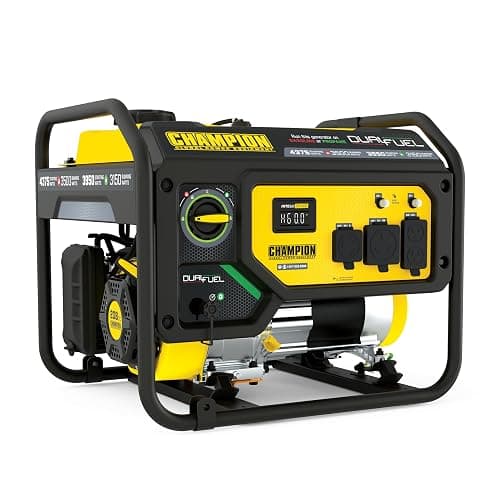
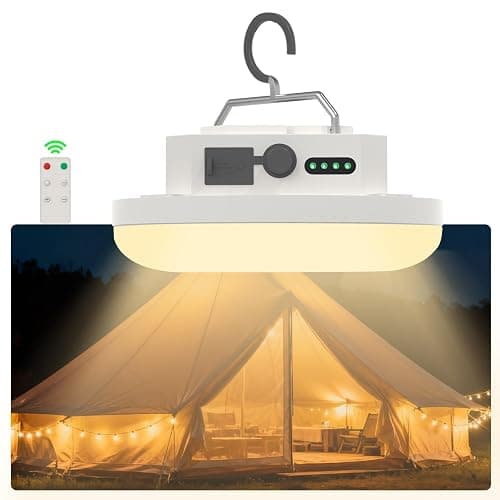
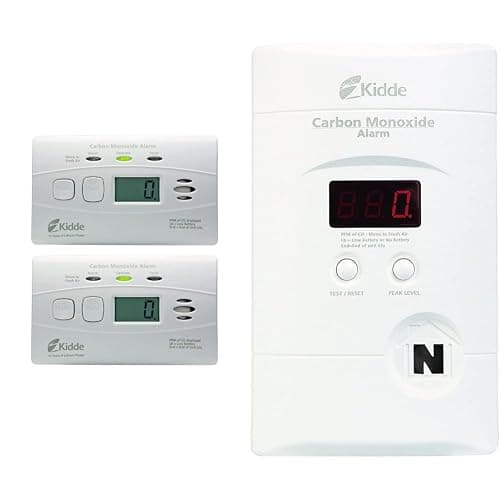
Prepare for North Carolina's outage season
Sized for North Carolina's recorded outage frequency and duration. See the full North Carolina storm prep checklist.