Portable Power Station vs. Generator: Which Is Right for You?
Outage-Prep Essentials

This site runs on Amazon affiliate commissions and advertising — buying through our links costs you nothing extra and helps keep it free for everyone.
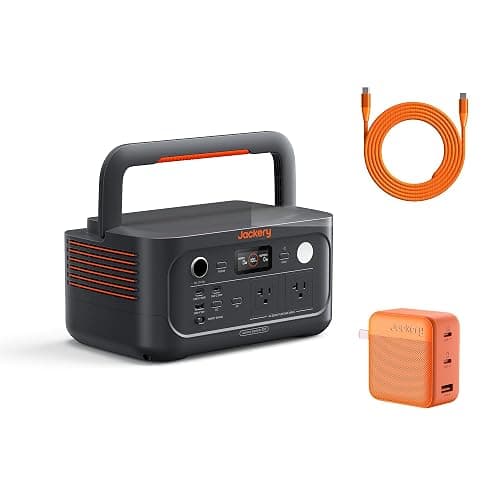
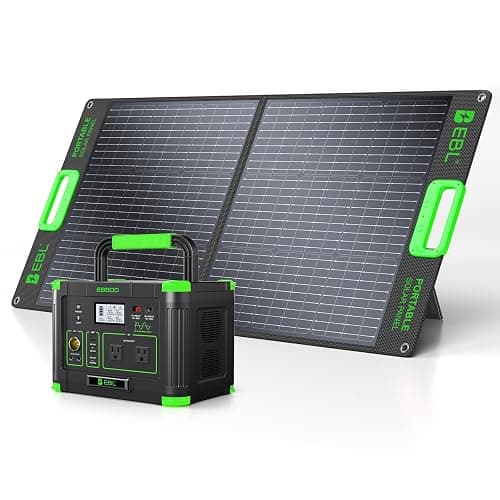
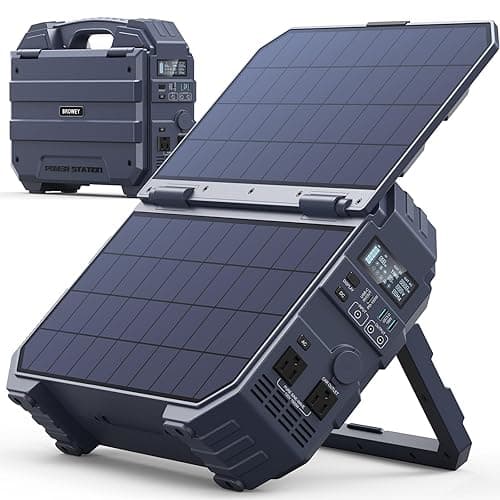
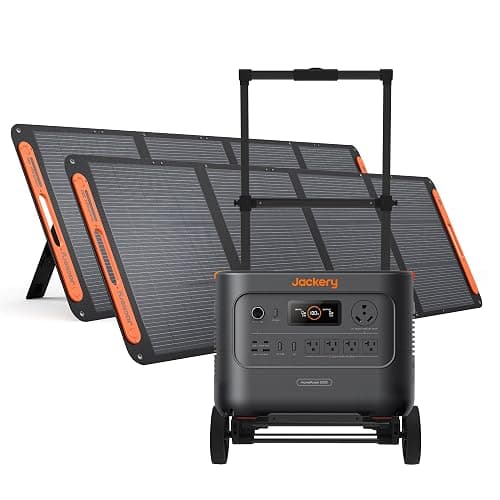
Read our mission →A power station is a large rechargeable battery with an inverter — no fuel, no exhaust, no noise, safe indoors. A generator burns fuel to produce power continuously as long as it has fuel, but needs to run outdoors, away from windows and doors.
Power stations are the only realistic option for apartments and condos, where fuel generators are typically prohibited by lease and fire code. They're also simpler: no fuel storage, no engine maintenance, just charge and go.
Generators win on sustained capacity and runtime — a power station's capacity is fixed at purchase (though solar can slowly recharge it), while a generator keeps running as long as you have fuel. For heavy loads (central AC, well pump, whole-house backup) over a multi-day outage, a generator is usually the more practical choice.
For most single-family homes with occasional shorter outages, either can work depending on your specific must-run appliances — check our sizing calculator and our power-station-runtime guide to compare against your actual load.
Relevant picks
This site runs on Amazon affiliate commissions and advertising — buying through our links costs you nothing extra and helps keep it free for everyone.
Read our mission →