How Long Will a Power Station Last During an Outage?
Runtime depends on the power station's watt-hour (Wh) capacity divided by what you're actually running — a 500Wh station running a 50W load (a few lights, phone charging) lasts roughly 8-10 hours accounting for inverter losses; the same station running a 500W load lasts closer to 45-60 minutes.
Manufacturers' headline runtime numbers are usually best-case for light loads. For planning, divide capacity (Wh) by your actual combined wattage, then subtract 10-15% for real-world inverter efficiency.
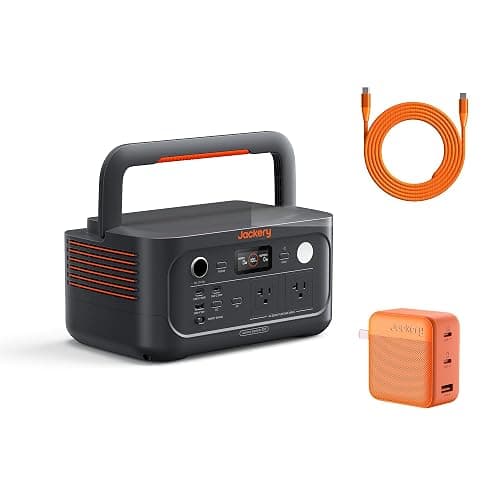
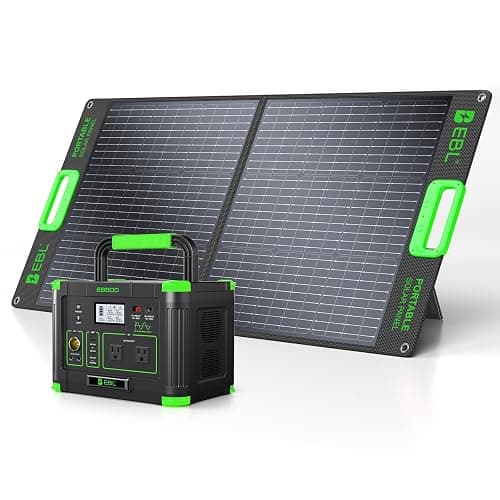
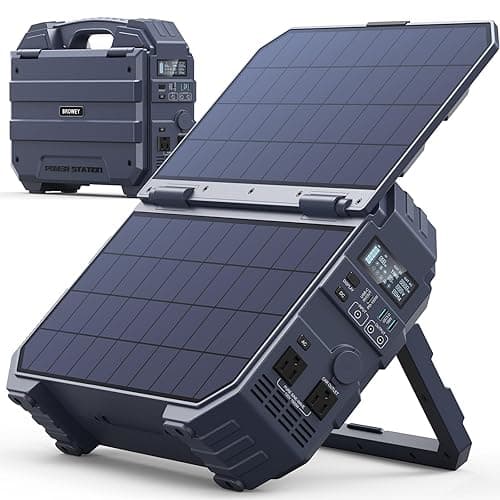
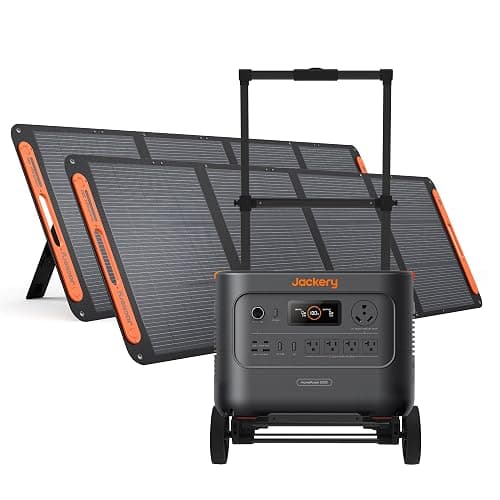
Solar-compatible power stations can extend an outage indefinitely in daylight, though recharge rates are much slower than wall power — useful for outages that stretch past a day.
Relevant picks
This site runs on Amazon affiliate commissions and advertising — buying through our links costs you nothing extra and helps keep it free for everyone.
Read our mission →FAQ
How do I calculate how long my power station will last?
Divide the station's watt-hour (Wh) rating by your combined load in watts, then subtract roughly 10-15% for real-world inverter losses. For example, a 500Wh station running a steady 50W load gives you roughly 500 ÷ 50 = 10 hours, minus losses, so realistically 8-9 hours.
Why does my power station run out faster than the manufacturer's estimate?
Manufacturer runtime figures are usually calculated for a specific light load (often just enough to charge a phone), not your actual combined draw from multiple devices. Always calculate runtime based on what you're really running, not the marketing headline number.
Can solar panels keep a power station going indefinitely?
In daylight, yes, to a degree — a solar-compatible power station can recharge while it's also discharging, extending runtime well past what the battery alone provides. Solar recharge rates are much slower than a wall outlet, though, so it works best for light, steady loads over a multi-day outage rather than heavy continuous draw.