LED Lantern vs. Flashlight: Best Lighting for a Power Outage
A lantern lights a whole room, which matters more than a flashlight's narrow beam for actually living through a multi-hour outage — cooking, finding things, general movement around the house.
Rechargeable lanterns with a battery bank or hand-crank backup avoid the disposable-battery restocking problem of flashlights, and many run 12+ hours on a single charge — well past a typical overnight outage.
Avoid candles where possible — they're a real fire risk during an already-stressful outage, especially with kids or pets in the house.
Relevant picks
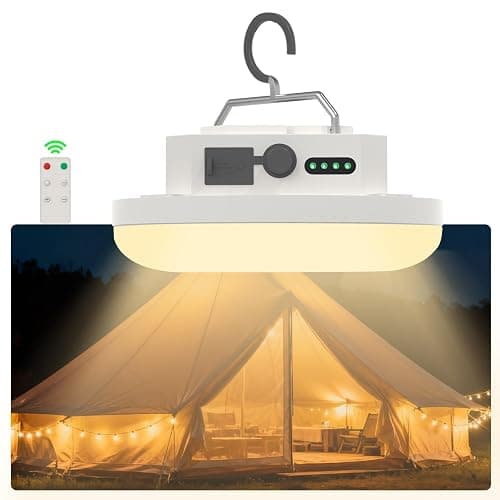
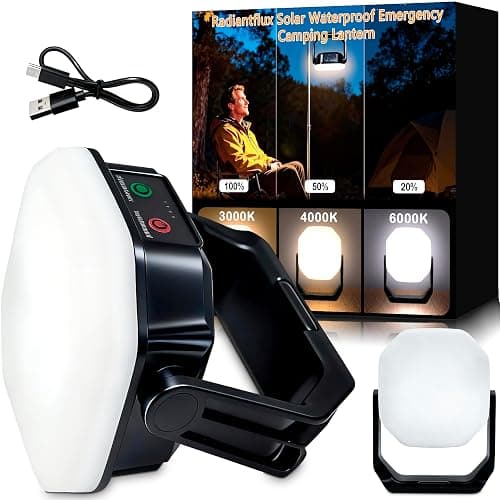
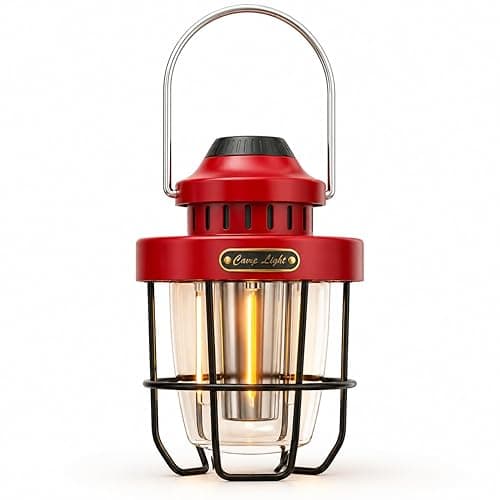
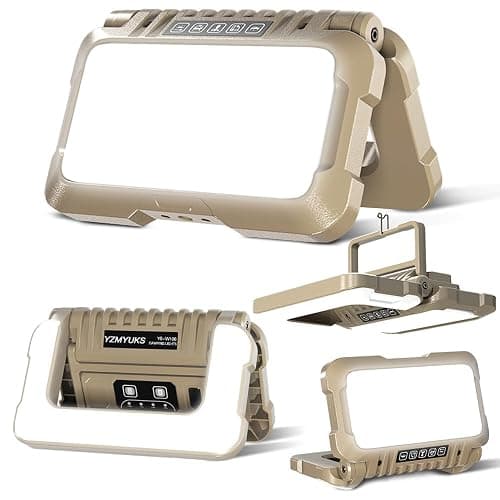
This site runs on Amazon affiliate commissions and advertising — buying through our links costs you nothing extra and helps keep it free for everyone.
Read our mission →FAQ
Is a lantern really better than a flashlight for a power outage?
For most outage situations, yes — a lantern's 360-degree light fills a room, which matters more for cooking, moving around, and general living than a flashlight's narrow directional beam. A flashlight is still useful for specific tasks like checking a breaker panel or walking outside.
How long do rechargeable lanterns last on a single charge?
Many rechargeable LED lanterns run 12 hours or more on a full charge at typical brightness settings — well past a typical overnight outage, though runtime drops at maximum brightness.
Why are candles not recommended during an outage?
Candles are a genuine fire risk, especially during an already-stressful outage when household routines are disrupted and supervision may lapse — with kids, pets, or simply fatigue in the mix, an open flame left unattended is one of the more common secondary hazards of extended outages.