Power Outage Prep for Apartments and Condos
Building-wide outages in apartments and condos are sometimes shorter than standalone-house outages in the same storm, since multi-unit buildings are often prioritized for utility restoration — but individual-unit prep still matters for comfort and safety.
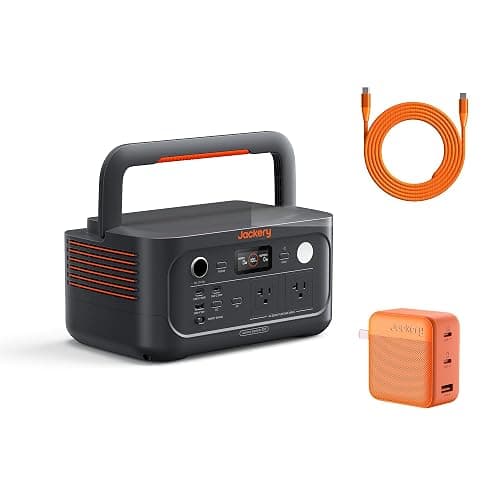
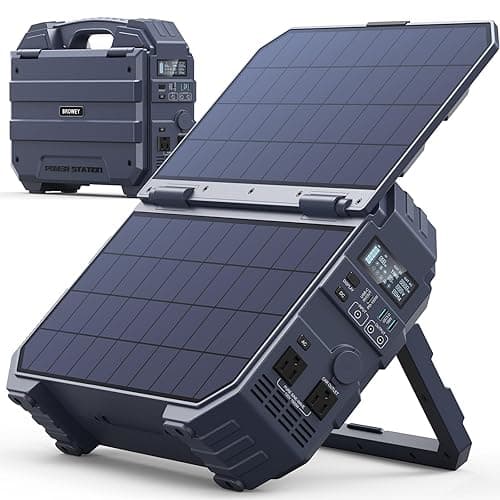
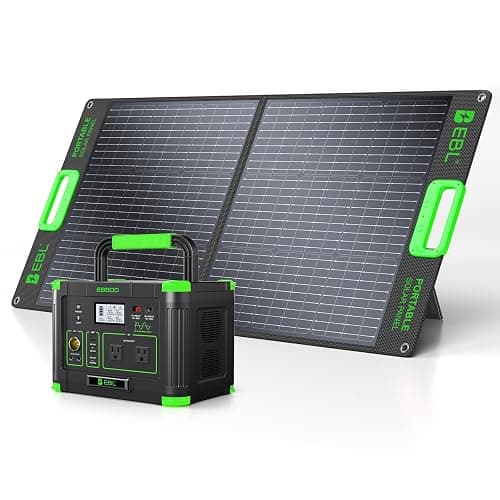
Fuel-powered generators are typically prohibited indoors and on balconies by lease terms and fire code — a battery power station is the realistic, code-compliant option for most apartment dwellers.
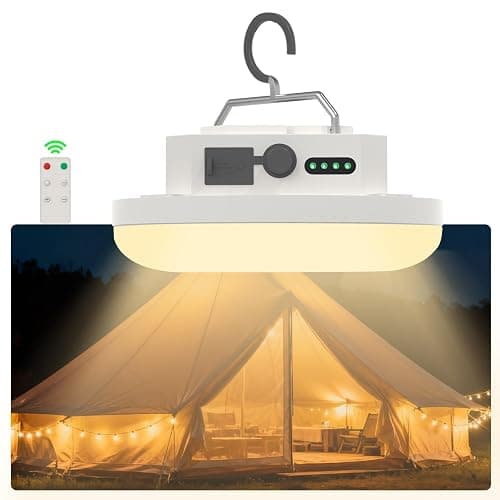
Keep a charged power bank and lantern in an easily reachable spot — apartment outages often come with less warning than a forecast storm at a house.
Relevant picks
This site runs on Amazon affiliate commissions and advertising — buying through our links costs you nothing extra and helps keep it free for everyone.
Read our mission →FAQ
Do apartment buildings get power restored faster than houses?
Often, though not always — multi-unit buildings can be prioritized for utility restoration since a single repair restores power to many customers at once, but this varies by utility, storm severity, and the specific cause of the outage. Don't assume a faster restoration and skip basic prep.
What can I actually run in an apartment during an outage?
Realistically: lights, phone and device charging, a fan, a small medical device, and possibly a mini fridge or laptop — a small-to-mid power station covers this well without needing a fuel generator, which most leases and fire codes prohibit anyway.
What should I keep ready in case of a sudden apartment outage?
A charged power bank and a rechargeable lantern kept in an easily reachable spot (not buried in a closet) — apartment outages, especially from local grid issues rather than a forecast storm, often come with little to no warning.