Carbon Monoxide Safety When Running a Generator
Carbon monoxide from a fuel-powered generator is invisible and odorless, and can build to fatal levels within minutes — even outdoors, if the generator is near a door, window, or vent. It's one of the most common causes of injury during outage-related generator use.
Run generators at least 20 feet from the house, pointed away from windows and doors, never in a garage (even with the door open), and never indoors under any circumstances.
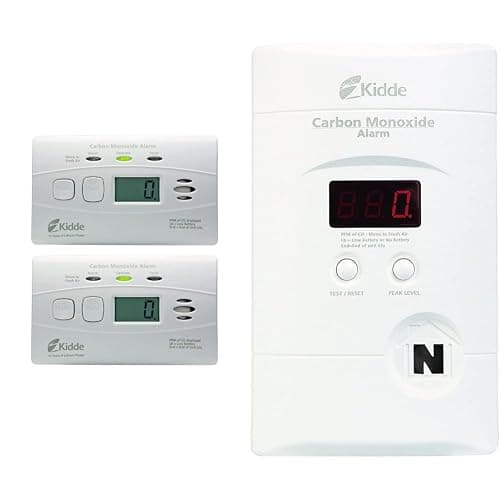
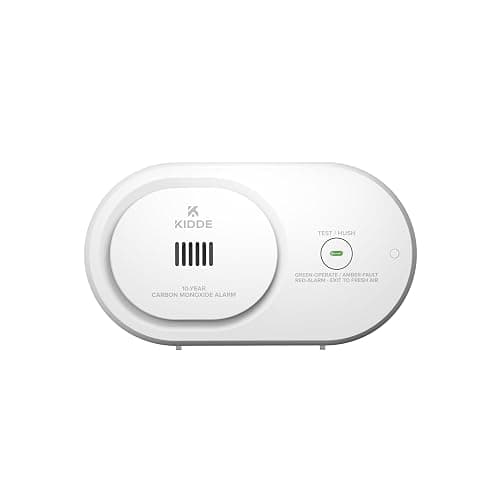
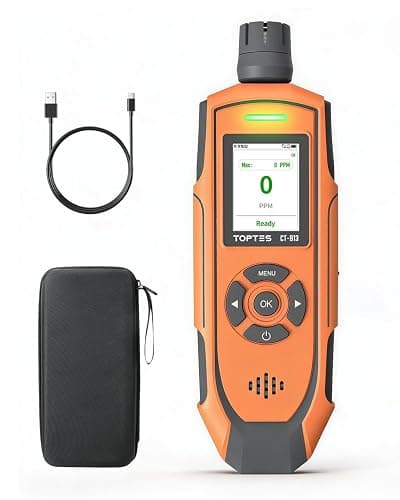
A battery-powered carbon monoxide detector keeps working even when the grid — and your hardwired detectors — are down. It's a low-cost, high-value addition to any generator setup.
Relevant picks

This site runs on Amazon affiliate commissions and advertising — buying through our links costs you nothing extra and helps keep it free for everyone.
Read our mission →FAQ
How far from the house should a generator be?
A commonly recommended minimum is at least 20 feet from the house, pointed away from windows, doors, and vents. Carbon monoxide can still enter a home from a generator that's technically 'outdoors' if it's too close to an opening.
Is it safe to run a generator in the garage with the door open?
No — a garage, even with the door fully open, is not safe for generator use. Carbon monoxide can still accumulate to dangerous levels in and around the garage and drift into the home.
Do I need a carbon monoxide detector if I already have smoke detectors?
Yes — smoke detectors don't detect carbon monoxide, and hardwired detectors of either type stop working when the grid is down unless they have battery backup. A dedicated battery-powered CO detector is a separate, essential device whenever a fuel generator is in use.
What are the symptoms of carbon monoxide poisoning?
Early symptoms include headache, dizziness, weakness, nausea, and confusion — they can be mistaken for flu or fatigue. Because CO is odorless and invisible, a working detector is the only reliable way to know exposure is happening before symptoms become severe.