Generator Transfer Switch Safety Guide
A transfer switch lets a generator safely power a home's existing wiring and circuit breakers, instead of running extension cords to individual appliances room by room.
Without a transfer switch, backfeeding a home's panel by plugging a generator into a wall outlet is dangerous and illegal in most jurisdictions — it can send live current back down the line toward utility workers repairing the outage, and risks fire from an overloaded circuit.
Manual transfer switches are less expensive and require flipping breakers by hand; automatic transfer switches (usually paired with standby generators) switch over within seconds with no manual action. Either should be installed by a licensed electrician.
Relevant picks
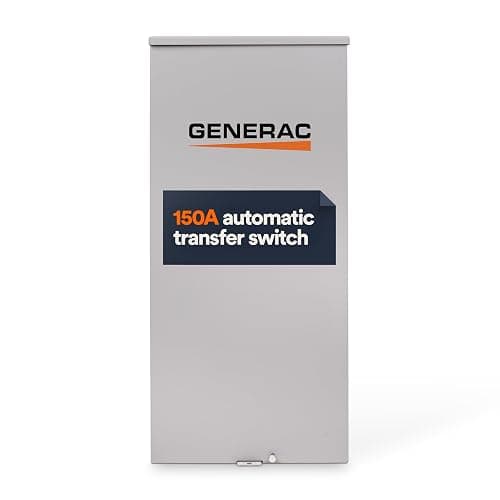
Generac 150-Amp Automatic Generator Transfer Switch, Open Transition, Service Rated, Outdoor Enclosure
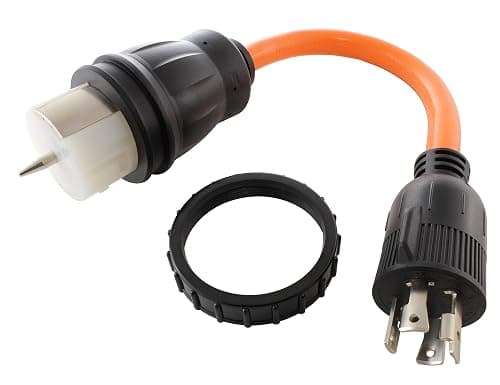
AC WORKS Generator to Transfer Switch 50Amp Inlet Box Adapter (L14-30 30Amp 4-Prong to CS6364 Flexible)
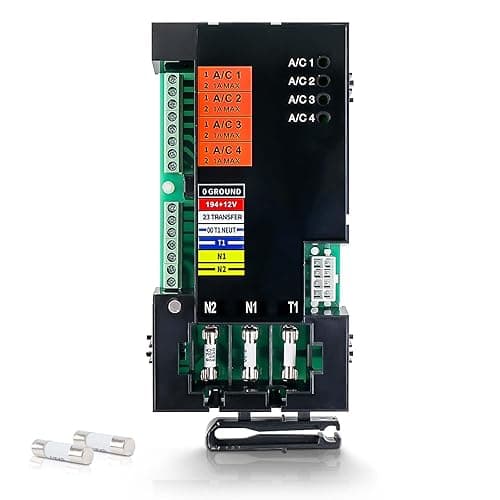
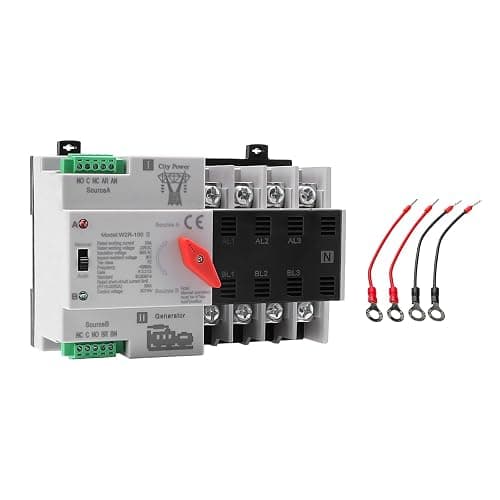
This site runs on Amazon affiliate commissions and advertising — buying through our links costs you nothing extra and helps keep it free for everyone.
Read our mission →FAQ
Do I need a transfer switch if I only use extension cords?
No — if you're only running individual appliances directly off the generator with cords, you don't need a transfer switch. A transfer switch is specifically for powering your home's existing wiring and breaker panel safely.
Why is backfeeding through a wall outlet dangerous?
Plugging a generator into a wall outlet to power your house's wiring (backfeeding) can send live current back out through the utility lines, which can seriously injure or kill line workers who assume the grid is de-energized during an outage. It's illegal in most areas for exactly this reason.
What's the difference between a manual and automatic transfer switch?
A manual transfer switch requires you to flip breakers by hand when switching between utility and generator power; an automatic transfer switch (typically paired with a standby generator) detects the outage and switches over within seconds with no action needed from you.
Can I install a transfer switch myself?
A transfer switch involves working with your home's main electrical panel, and should be installed by a licensed electrician — it's both a safety issue and, in most areas, a code/permitting requirement.