Hurricane Generator Checklist: What to Do Before the Storm
Test your generator before hurricane season, not during it — start it, run it under load for at least 20-30 minutes, and confirm it starts reliably. Generators that sit unused for a year are a common point of failure exactly when needed.
Stock fuel (with a stabilizer added to gasoline) and spare parts (oil, air filter, spark plug) before a storm is forecast — these sell out fast once a hurricane watch is issued.
Confirm your transfer switch or extension cord setup, CO detector batteries, and your generator's realistic runtime on a full tank before you need any of it under pressure.
Relevant picks
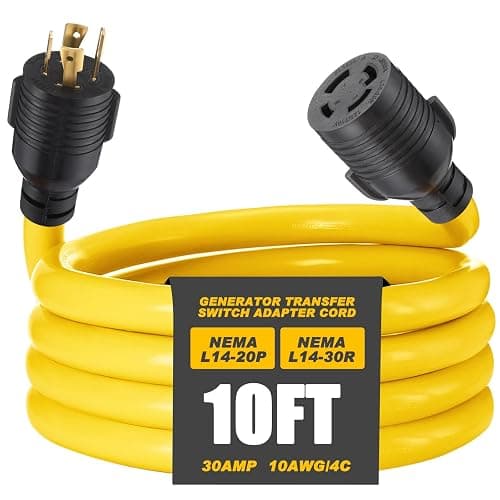
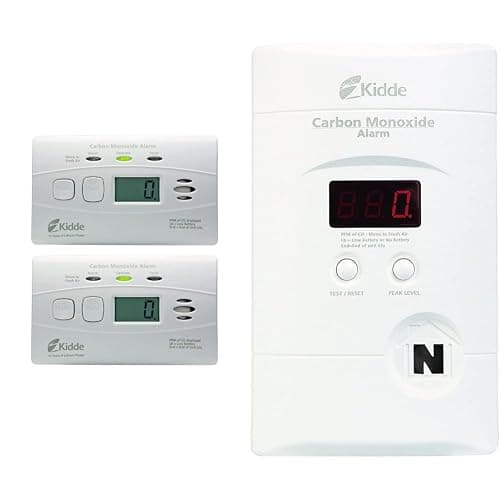
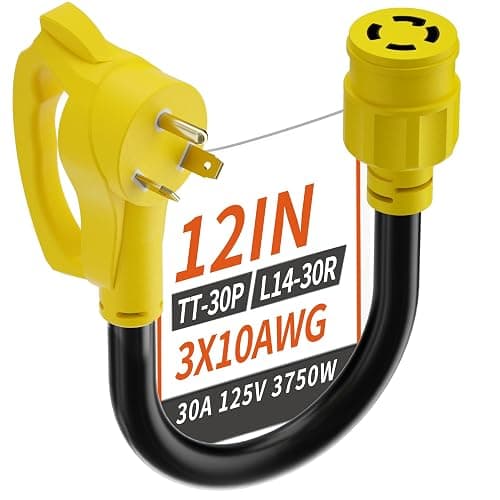
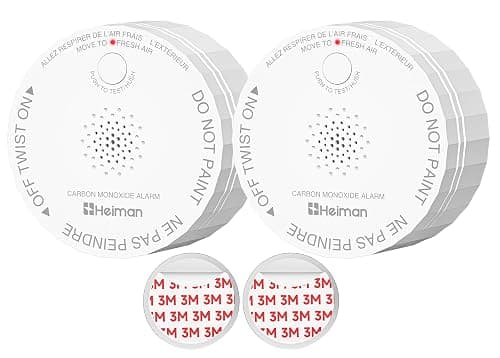
This site runs on Amazon affiliate commissions and advertising — buying through our links costs you nothing extra and helps keep it free for everyone.
Read our mission →FAQ
When should I test my generator before hurricane season?
Ideally at the start of hurricane season, not once a storm is already forecast — run it under an actual load for 20-30 minutes to confirm it starts reliably and holds up, since generators that sit unused for months are a common source of no-start failures right when they're needed.
What supplies should I stock before a hurricane watch is issued?
Fuel with a stabilizer added (for gasoline), spare oil, an air filter, and a spark plug — these routinely sell out once a storm watch is issued, so stocking them at the start of the season rather than the week of a storm avoids the scramble.
How do I estimate my generator's runtime on a full tank?
Check the manufacturer's stated runtime at a specific load percentage (usually 50% or 25% load) and adjust for your actual expected load — a generator running near its rated capacity burns fuel faster than the same unit running a light load, so real-world runtime varies more than the spec sheet number alone suggests.