Sump Pump Battery Backup: What to Know Before an Outage
A battery backup sump pump keeps basements dry during exactly the storms most likely to also cause a power outage — flooding risk and grid outages tend to spike together in heavy rain and hurricanes.
Battery backup systems are sized by how many gallons per hour they can pump and how long the battery lasts under load — check both numbers against your sump pit's typical inflow during heavy rain, not just its rated capacity.
These systems supplement, not replace, your primary sump pump — they're built to bridge an outage, not run indefinitely.
Relevant picks
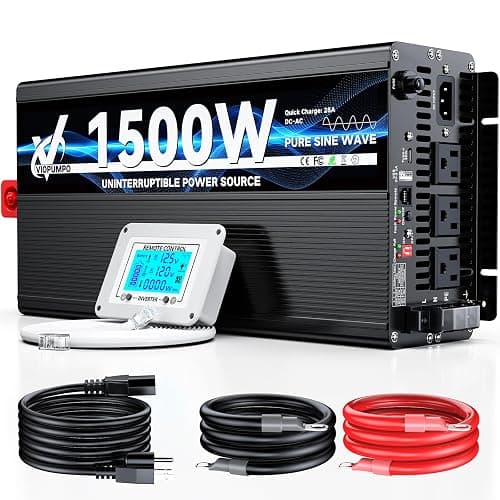
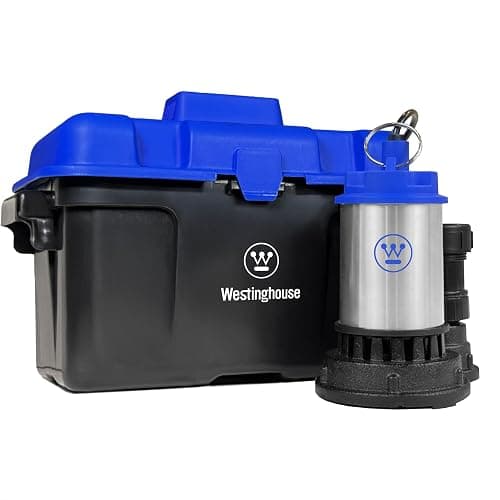
Westinghouse Battery Backup Sump Pump – 12V Submersible Basement Sump Pump with Automatic Backup Protection, 2,700 GPH, Heavy Duty Flood Pump (Battery Not Included)
This site runs on Amazon affiliate commissions and advertising — buying through our links costs you nothing extra and helps keep it free for everyone.
Read our mission →FAQ
How long does a battery backup sump pump run?
Runtime depends on how often the pump cycles (how much water is coming in) and the battery's capacity — most systems are rated for a certain number of gallons pumped per charge, commonly ranging from several hundred to a few thousand gallons. Heavy, sustained inflow during a major storm drains a battery faster than the same pump's rated 'hours of standby' figure suggests.
Can I add a battery backup to my existing sump pump?
Most battery backup systems are designed to install alongside your existing primary pump in the same pit, activating automatically if the primary pump loses power or fails — they don't typically replace it.
Will a generator work instead of a battery backup?
A generator can power your existing sump pump directly, but only while it's running and fueled — a battery backup is often preferred specifically because it activates instantly and unattended, which matters if a storm knocks out power in the middle of the night.