Winter Storm Power Outage: Keeping Heat Running Safely
Space heaters and furnace blowers draw significant continuous wattage — a furnace fan alone is often 600-800W, and a space heater can add 1,200-1,500W more. This load profile usually needs a full generator, not a small power station.
Never run a fuel-powered generator indoors, in a garage, or near a window or vent — carbon monoxide from a generator can be fatal within minutes even outdoors near an opening. Keep it well away from the house and downwind.
Dual-fuel and standby generators are common choices for winter storm backup, since propane doesn't gel in cold temperatures the way some gasoline blends can.
Relevant picks
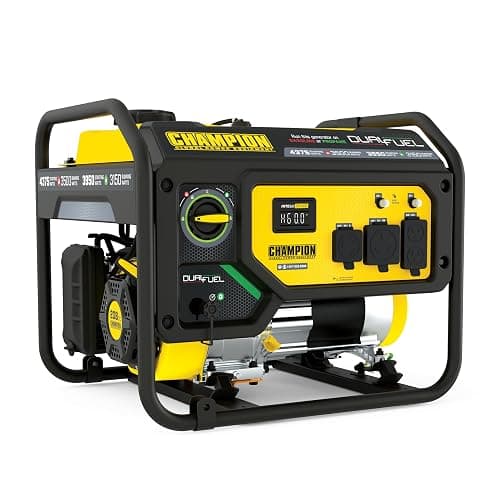
Champion Power Equipment 4375-Watt Dual Fuel RV Ready Portable Generator with Free 3-Year Warranty
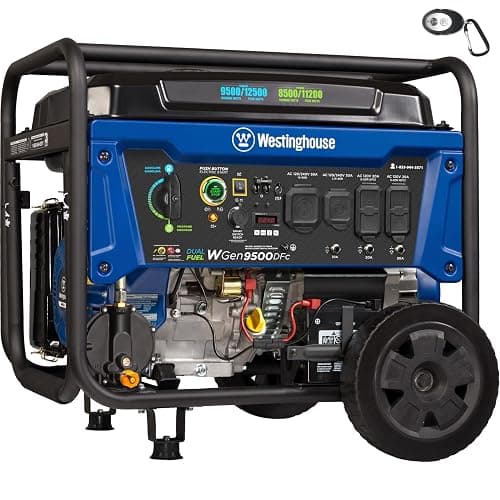
Westinghouse 12500 Peak Watt Dual Fuel Home Backup Portable Generator, Remote Electric Start, Transfer Switch Ready, Gas and Propane Powered, CO Sensor
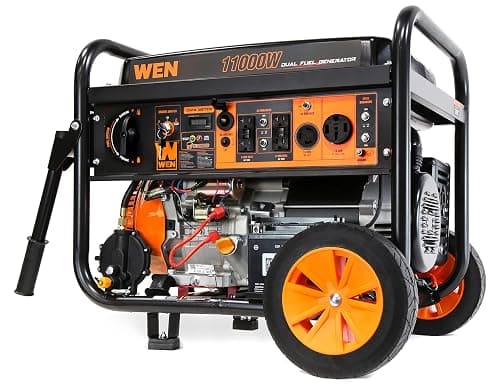
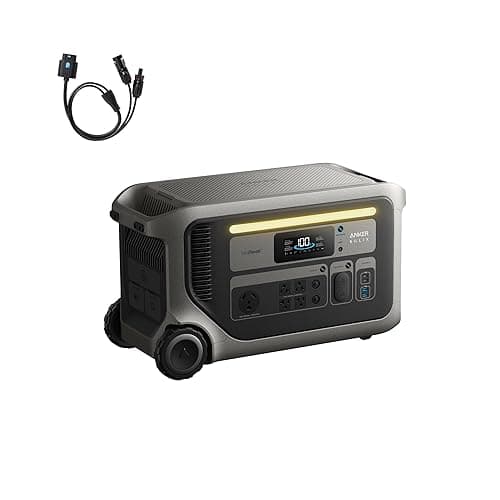
This site runs on Amazon affiliate commissions and advertising — buying through our links costs you nothing extra and helps keep it free for everyone.
Read our mission →FAQ
What size generator do I need to run a furnace during a winter outage?
A gas furnace's blower motor typically draws 600-800W running with a higher starting surge, so a generator in the 2,000-3,000W range with adequate surge capacity generally covers just the furnace — add more capacity if you also want lights, a fridge, or a space heater running at the same time.
Is it safe to run a generator in the garage during a snowstorm?
No — never run a fuel generator in a garage even with the door open, and even in cold weather. Carbon monoxide builds to dangerous levels quickly in any enclosed or partially enclosed space, and cold weather doesn't reduce that risk.
Why does propane work better than gasoline in winter storms?
Gasoline, especially ethanol-blended fuel that's sat in a tank for months, can gel or have starting problems in sub-freezing temperatures. Propane doesn't have this issue and stores indefinitely, which is why dual-fuel and propane generators are common choices for winter backup specifically.