Refrigerator Food Safety During a Power Outage
A full, unopened refrigerator keeps food safely cold for about 4 hours after the power goes out; a full freezer holds temperature for roughly 48 hours (24 hours if half full).
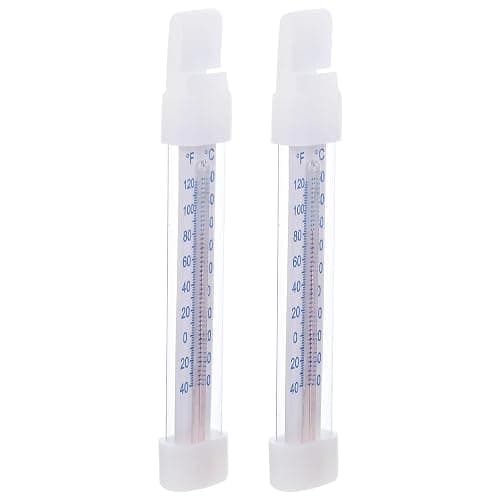
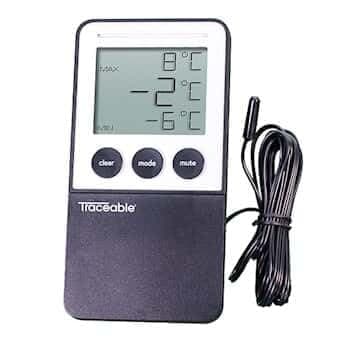
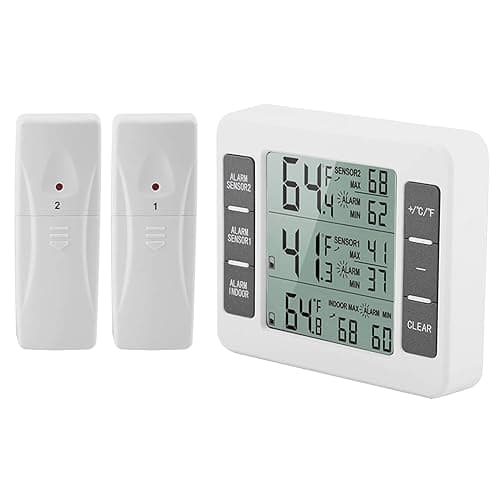
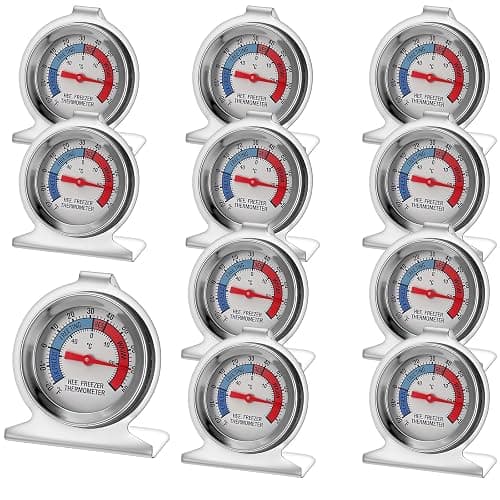
Keep the doors closed as much as possible. An appliance thermometer is the only reliable way to know if food is still safe — don't guess based on how cold it feels.
A well-insulated cooler with ice can extend safety margins for medications and small quantities of perishable food beyond what the fridge alone provides.
Relevant picks
This site runs on Amazon affiliate commissions and advertising — buying through our links costs you nothing extra and helps keep it free for everyone.
Read our mission →FAQ
How long is food safe in the fridge without power?
About 4 hours if the door stays closed, per USDA food safety guidance. After that, perishable items like meat, dairy, and leftovers should be considered at risk and discarded if they've been above 40°F for more than 2 hours total.
How long does a full freezer stay safe?
Roughly 48 hours if it stays full and unopened, or about 24 hours if it's only half full — a full freezer holds cold longer because the frozen items themselves help maintain temperature.
How can I tell if food is still safe without opening the fridge constantly?
An appliance thermometer left inside the fridge or freezer is the reliable way to check — food is generally safe if it's stayed at 40°F or below. Relying on touch or smell alone isn't a reliable food-safety check.
Does running a generator or power station help keep the fridge cold?
Yes — even a modest power station or generator can run a refrigerator's compressor (which cycles on and off, not continuously), significantly extending safe storage time beyond the 4-hour no-power window.